
Andrew holds a B.A. in International Relations from the State University of New York at Geneseo and a Master of International Affairs from Columbia University’s School of Public and International Affairs.
States with Progressive Tax Systems Are the Most Millionaire Friendly
New IRS data confirms millionaire exodus to low tax states is a myth
Overview of the Enacted Budget Financial Plan

Four key takeaways from the budget plan for fiscal year 2027
Explainer: The Proposed Restructuring of New York City Pension Payments

On May 12, 2026, New York City Mayor Zohran Mamdani put forward his executive budget proposal for fiscal year 2027, which achieved balance on the back of new revenue, state funding, and savings. Chief among the proposed savings was a restructuring of New York City’s pension …
Should we care about New York’s “millionaire share”?

The most prosperous states have the most progressive tax systems
Fact Sheet: The Pass-Through Entity Tax
Proposed change is sharply progressive while preserving federal tax benefit
Corporate Tax Will Have Negligible Impact on Large Corporations

In response to New York City’s looming $5.4 billion budget gap, State lawmakers proposed a suite of measures authorizing the City to raise additional revenue. Taxes on businesses operating in New York City form the cornerstone of the legislature’s funding plan. In response, the …
Proposed Taxes Will Support, Not Hurt, New York’s Economy

The most prosperous states have the most progressive tax systems
The Legislature’s Plans to Put New York City on Sound Fiscal Footing
The fiscal strain bearing down on the New York City budget has its origin in policy set by New York State. The State consistently shifts costs onto the City without allowing the City to raise additional revenue or control much of its own tax system. Policy action by the state is …
The Legislature Proposes Ambitious, Progressive New Revenue
The Senate proposes a suite of progressive State revenue measures that would raise $5.6 billion per year (not including a set of New York City specific proposals). These measures should be enacted to fund New York’s critical social needs and an ambitious affordability agenda. …
New York City’s Fiscal Challenge
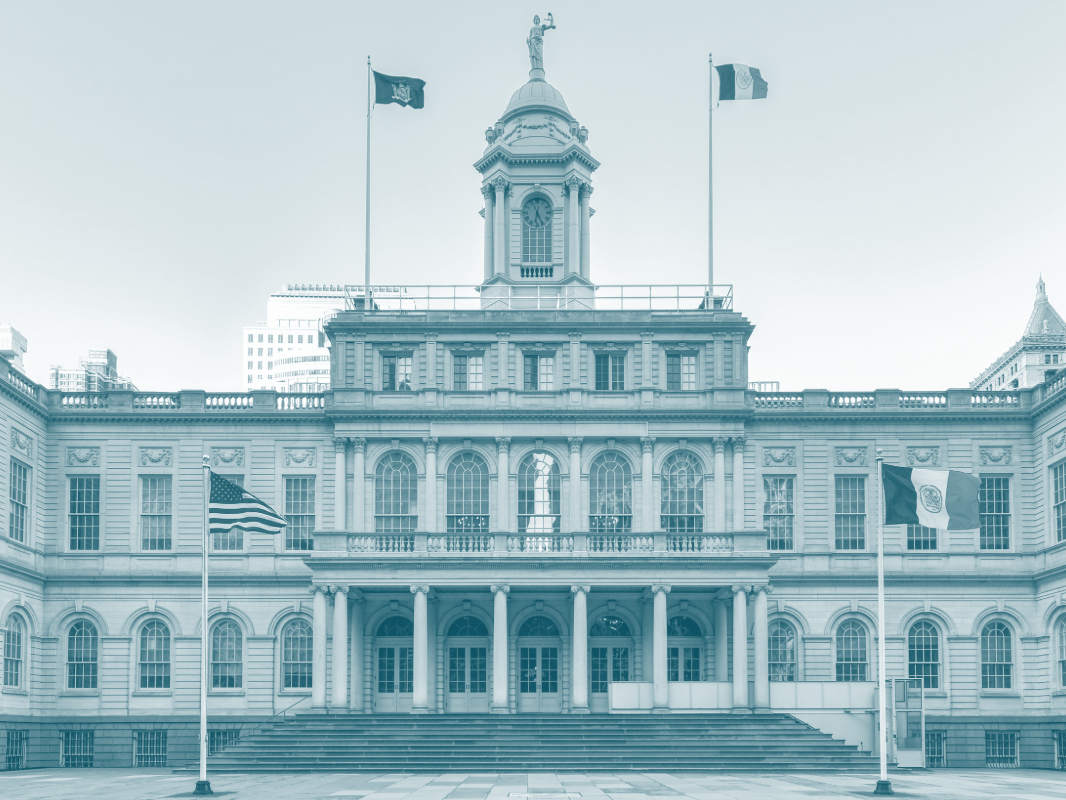
Authorize New York City to generate $5.5 billion in revenue by raising its own personal income and corporate taxes. Restore recently cut or eliminated state funding for New York City, totaling $1.5 billion in revenue lost each year. On February 17, 2026, New York City Mayor …
A Tax Plan for Statewide Universal Childcare

New York guarantees free education to children living in the state. Rapid development of free public schools in the second half of the nineteenth century culminated in an 1894 amendment → to the New York State Constitution establishing a right to free schools for “all of the …
A Tax Plan for Universal Childcare in New York City

Mayor-elect Zohran Mamdani made universal childcare a central plank of his campaign platform, and once inaugurated he is widely expected to push for a deal in this year’s state budget to authorize new taxes to fund the program. While many policy experts have opined on the need …
The State Budget Outlook
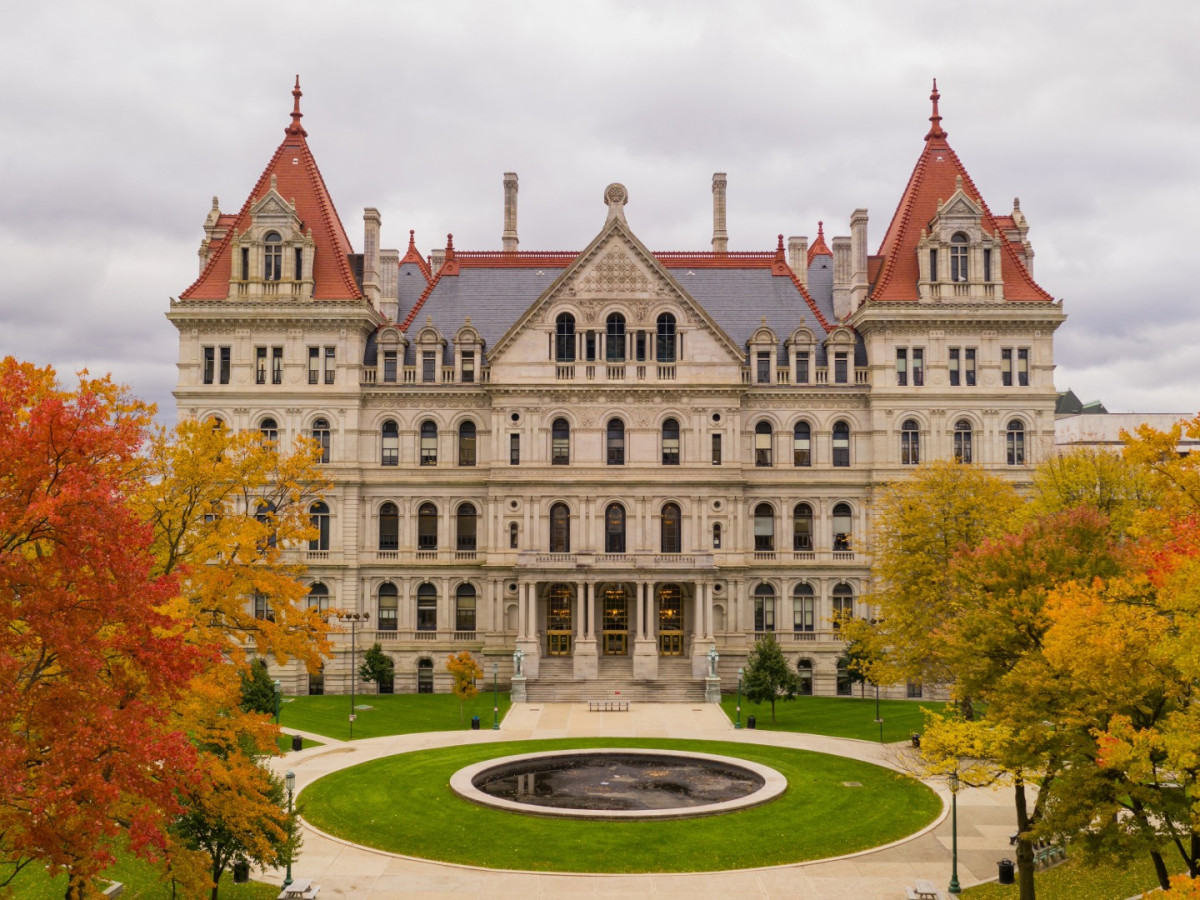
New York State’s Division of the Budget (DOB) recently published its mid-year budget update, → which forecasts considerable budget gaps in the years ahead: an apparently staggering $26.8 billion gap over the next four years before even accounting for the impending losses of …
New York’s Millionaires Will Get a $12 Billion Federal Tax Cut Next Year

On July 4, 2025, President Donald Trump signed into law the federal reconciliation legislation known as the “One Big Beautiful Bill Act” (OBBBA), which enacted $4.5 trillion of tax cuts and reduced federal outlays for Medicaid and SNAP by $1.2 trillion. Democrats have decried …
How New Mexico Will Pay for Universal Childcare

New Mexico will allow residents of all income levels receive childcare subsidies—what lessons can New York learn?
FPI Testimony to New York City Council on Impacts of the OBBBA
On September 15, 2025, two members of FPI’s senior staff presented testimony to the New York City Council on the impacts of the federal legislation known as the One Big Beautiful Bill Act.
Making Sense of Federal Funding Cuts in New York
A Q&A about federal funding cuts
Financial Plan Analysis of FY 2026 Enacted Budget
State expects severe fiscal and economic consequences from federal policy
Education and Childcare Policy in the Enacted Budget for Fiscal Year 2026
Fact Sheet: SNAP Cuts in New York
Federal budget bill would have dramatic implications for New Yorkers’ food security
What to Look for in New York City’s Executive Budget

Familiar budget games threaten the City’s ability to prepare for looming risks
Ensuring Adequate Funding for Childcare
ALBANY, NY | The Fiscal Policy Institute today released a new report by Andrew Perry, Director of Fiscal Research, that analyzes the current shortfall in State childcare funding and makes recommendations for bridging the funding gap. The State can bridge the childcare funding …
How to Fund the MTA
Lawmakers must look to progressive revenue sources for MTA funding needs
Fact Sheet: The 2026 Executive Budget’s Fiscal Outlook
Spending is set to keep pace with economic growth
The Economic and Fiscal Impacts of Mass Deportation
What’s at risk in New York
New Census Data Show Population Growth as well as Continuing Affordability Challenges
New Census data show that New York’s population grew in 2023 and 2024, regaining one-third of the state’s pandemic-era population losses. Net outmigration in 2024 reached its lowest level since 2013. Remaining outmigration is driven by low and middle-income households that face …
Does New York State Have Universal Pre-K?
First introduced in 1997, the State’s universal Pre-K program remains short of universal
Understanding Childcare Policy in New York

Recent reforms and challenges
The State of New York’s Fiscal Outlook
Expectations for the FY 2025 Mid-Year Update
Understanding Foundation Aid: How Public School Funding Works in New York State
Public education (K-12) is New York State’s largest public spending program, accounting for over 25 percent of all State operating spending and over 40 percent of local government spending. Public school funding is allocated to local school districts based on formulas specified …
The Education Debate
Legislators Counter Executive Spending Restraint
The Senate’s Housing Proposal
An Important Milestone Towards Comprehensive Housing Policy
Fiscal Analysis: 2025 Revenue To Exceed Projections by At Least $4 Billion
Reasonable assumptions about state revenue growth show additional spending power and quell concerns about future budget gaps
New: Expiring Tax Rates to Drive Down Expected Fiscal Year 2028 Revenue
Approximately $2.4 Billion of FY28 budget gap will be due to the Personal Income Tax and Corporate Franchise Tax surcharge expirations.
Testimony on Mayor’s November Financial Plan
Submitted to the New York City Council Committee on Finance Good morning — I am Andrew Perry, Senior Policy Analyst at the Fiscal Policy Institute, a nonpartisan research organization committed to improving public policy to better the economic and social conditions of all New …
New York State’s Reserves: A User’s Guide
New York State has generated significant budget surpluses in recent years as its economy recovered more quickly than expected from the Covid pandemic. Like most other U.S. states, New York saved a considerable portion of these surpluses in its fiscal reserve funds, building a …
Mind the Gap: When are State Budget Gaps a Concern?

New York’s fiscal year 2024 Enacted Budget Financial Plan, released June 2023, projected budget shortfalls for fiscal years 2025 through 2027. While future budget gaps are a perennial feature of New York’s budget forecasts, the most recent projected gaps exceed those generally …
Fiscal Year 2024 Enacted Budget Financial Plan Analysis

New outyear budget gaps in the fiscal year 2024 Enacted Budget Financial Plan reflect heightened pessimism about the state’s economic trajectory by the State’s Division of Budget (DOB). While all economic projections are highly uncertain, the State is well-equipped to weather …
Low Expectations: Understanding the NYC Budget Gap

City’s outyear budget gaps reflect conservative budgeting, not structural deficits
Exempting Suburbs from Payroll Mobility Tax Would Cost MTA $200 Million

**LIRR and Metro-North costs currently make up 25% of MTA operating expenses. Long Island and the Hudson Valley commuters & the local jobs they support collectively account for 57% of employment in suburban counties.** ALBANY, NY | April 26, 2023 — As the legislature currently …
7 Fiscal Policy Recommendations as the Budget Approaches
Plans to fix the MTA, invest in higher education, lower housing costs, reduce child poverty, and raise wages April 2023 With New York State’s fiscal year 2024 budget due April 1, 2024, the Governor and Legislature are nearing the end of negotiations on key policy priorities and …
Overview of Fiscal Year 2024 Executive vs Legislative Budget Proposals
Press Contact: March 2023 The fiscal year 2024 Executive Budget limits spending growth to 2.0 percent, with new spending concentrated in Medicaid and School Aid. In contrast, the Assembly proposes budget growth of 5.9 percent, reflecting additional investments in the MTA, SUNY …
The True Cost of Tuition Hikes on SUNY & CUNY Students
Press Contact: March 2023 The Governor’s executive budget for fiscal year 2024 aims to increase funding for New York State’s public university system, in part through sharp tuition increases. For the State University of New York’s (SUNY) four university centers, the tuition …
The Cost of New Property Tax Breaks for Local Government
Estimating the Potential Impact of the Executive Budget’s Proposed Property Tax Breaks on Localities
Housing Costs, Not Taxes, Drive Migration out of New York

On average, savings from lower housing costs are 15 times greater than savings from taxes
Inequality in New York & Options for Progressive Tax Reform
November 10, 2022 New York’s current tax system, taken as a whole, is regressive: the wealthy pay about the same combined state and local tax rate as the bottom 40 percent. Because of the substantial overlap between high income earners and owners of extreme wealth, increasing …
One-Off Handouts Impede the Affordability Agenda
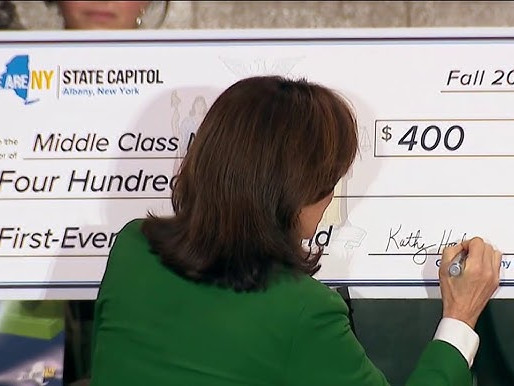
Gimmicks in New York State’s budget prevent long- term investment in social programs.